Ramen Broth Types : Ramen Simple English Wikipedia The Free Encyclopedia - Kitchitora of tokyo does a thick, chicken broth.. He used to be a long distance truck driver. The soup can be a blend of plenty of vegetables, along with chicken, and sometimes pork or fish. The first one is chicken broth made from chicken carcass. If you're in tokyo, shoyu is the most familiar form of ramen you'll find. My version of ramen broth is made from a combination of pork bones, chicken carcasses and bonito flakes.
This dish is known locally as chuka soba which translates to chinese soba. Miso ramen is flavored using fermented soy paste. Probably the most popular ramen type outside of japan, tonkotsu ramen has a cloudy and white colored broth. Best 4 types of ramen soup broth & flavors there are actually three types of soup bases in ramen: My version of ramen broth is made from a combination of pork bones, chicken carcasses and bonito flakes.
Gurunavi Japan Restaurant Guide Let S Experience Japan from gurunavi.com Probably the most popular ramen type outside of japan, tonkotsu ramen has a cloudy and white colored broth. Instead of just having a soy ramen, a restaurant can make multiple tares and have several different options, all while having to make only one master broth. Soup of iekei ramen is called tonkotsu shoyu soup. In yokohama, in 1974, yoshimura minoru opened a ramen shop called yoshimuraya. Shoyu (soy sauce) shoyu ramen soup is a clear, brown broth flavored with soy sauce (shoyu). Given how tiny most ramen shops in japan are, this creates a lot of efficiency in expanding the menu. A cook can make one base soup, and season it with different tares to change up the menu. You can also categorize types of ramen by family tree of restaurants too.
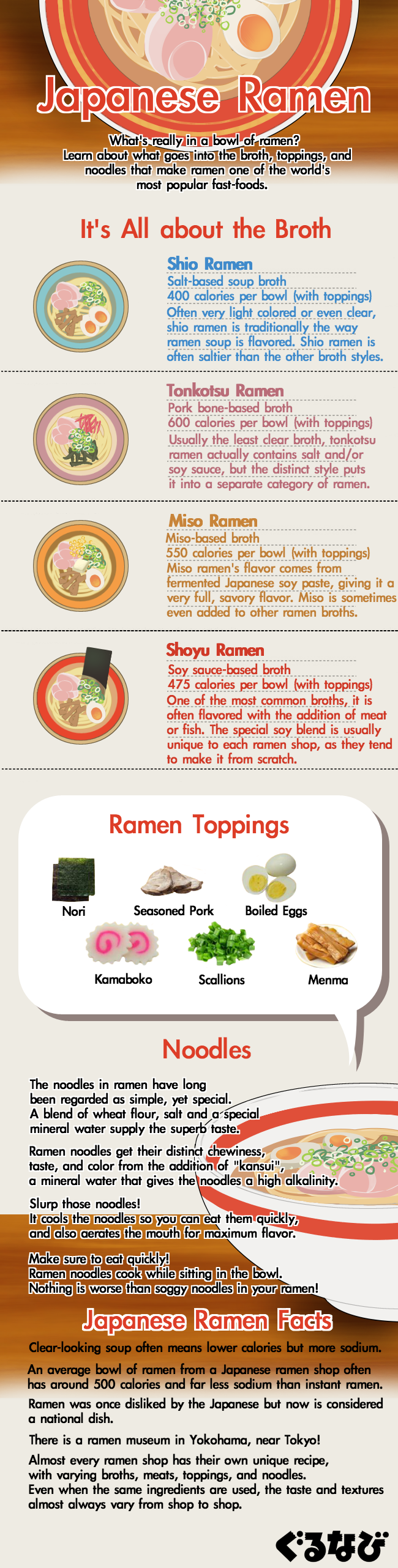
Shoyu ramen, miso ramen, tonkotsu ramen and shio ramen.
Similar to shio ramen, the broth is usually made from chicken bones (torigara) and seafood products; If you're in tokyo, shoyu is the most familiar form of ramen you'll find. Shoyu broth has a soy sauce base with a clear, brown color. However, tonkotsu has been used by chefs as if it were an original soup base on its own. Shoyu (soy sauce), shio (salt), and miso. Tonkotsu ramen is boiled for many hours, making it much thicker than either the shio or shoyu base. Because this is made of tonkotsu ramen broth and soy sauce. Some restaurants may also add other ingredients like pork bones (tonkotsu). Dark brown and delicious, this broth is topped with a raw egg and served with green onions, char siu, fish cakes, and menma. Ramen are typically categorized according to their soup base, although variations that combine the different bases are not uncommon. More than the tonkotsu, it's the miso that's the broth's distinguishing characteristic. The key difference is that paitan is cloudy and chintan is clear. Usually, shoyu ramen has curly noodles, and the meat or vegetable stock gives it a delicious, tangy flavor.
You can also categorize types of ramen by family tree of restaurants too. Ramen soup has 4 primary types. The first one is chicken broth made from chicken carcass. Shio (salt), shoyu (soy sauce), miso (fermented bean paste), and tonkotsu (pork), which doesn't make particular sense, as the first three are flavorings, while the fourth is the broth base. The fourth, tonkotsu is actually not a soup base and is actually a broth.
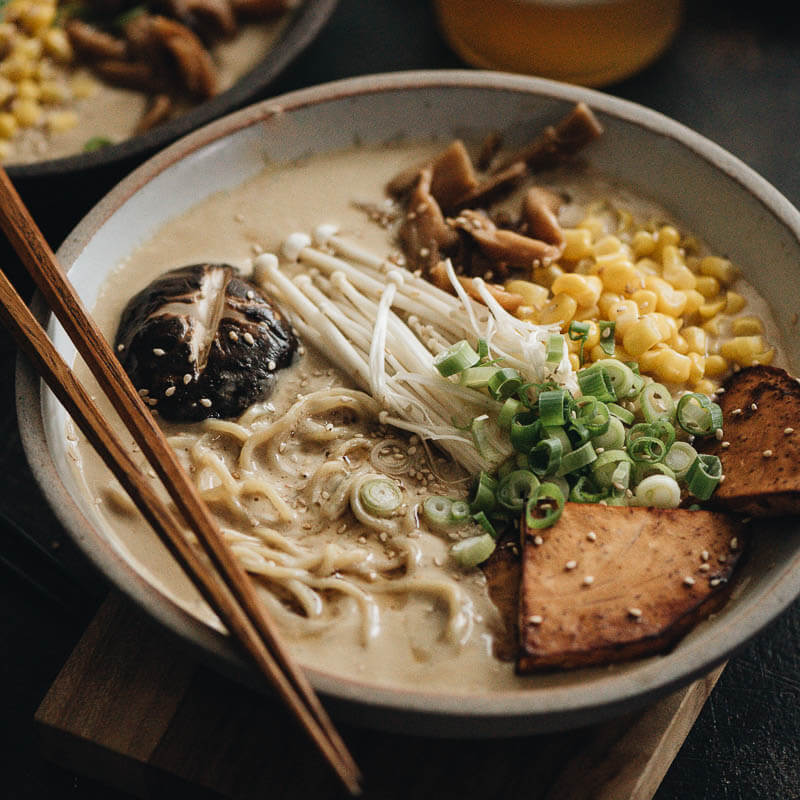
Vegan Tonkotsu Ramen Gastroplant from gastroplant.com Usually, shoyu ramen has curly noodles, and the meat or vegetable stock gives it a delicious, tangy flavor. If you're in tokyo, shoyu is the most familiar form of ramen you'll find. The first one is chicken broth made from chicken carcass. Similar to shio ramen, the broth is usually made from chicken bones (torigara) and seafood products; A fourth, tonkotsu, references the broth's base ingredient, not. The noodles are usually straight and thin. Given how tiny most ramen shops in japan are, this creates a lot of efficiency in expanding the menu. Shio (salt), shoyu (soy sauce), miso (fermented bean paste), and tonkotsu (pork), which doesn't make particular sense, as the first three are flavorings, while the fourth is the broth base.
Ramen broth is typically made by placing the base, also know as kaeshi, in a bowl and dissolving it with the hot soup.
Usually, shoyu ramen has curly noodles, and the meat or vegetable stock gives it a delicious, tangy flavor. Ramen soup has 4 primary types. Classifications for the broths you often see ramen categorized into four classes: Ramen broth is typically made by placing the base, also know as kaeshi, in a bowl and dissolving it with the hot soup. Best 4 types of ramen soup broth & flavors there are actually three types of soup bases in ramen: Ramen is typically classified by broth flavor, with three especially common categories: Some restaurants may also add other ingredients like pork bones (tonkotsu). A cook can make one base soup, and season it with different tares to change up the menu. A fourth, tonkotsu, references the broth's base ingredient, not. More than the tonkotsu, it's the miso that's the broth's distinguishing characteristic. Takayama ramen, on the other hand, boils its kaeshi together with its base, resulting in a dark and yet clear shoyu broth with a mild sweetness. Kitchitora of tokyo does a thick, chicken broth. Kanto udon soup tends to be saltier and darker whereas kansai is lighter and usually made with dashi.
Shoyu (soy sauce), shio (salt), and miso. Best 4 types of ramen soup broth & flavors there are actually three types of soup bases in ramen: Usually, shoyu ramen has curly noodles, and the meat or vegetable stock gives it a delicious, tangy flavor. Ramen are typically categorized according to their soup base, although variations that combine the different bases are not uncommon. And the third is tonkotsu which is made from pork bones.
The fourth, tonkotsu is actually not a soup base and is actually a broth.
The key difference is that paitan is cloudy and chintan is clear. Shoyu ramen, miso ramen, tonkotsu ramen and shio ramen. More than the tonkotsu, it's the miso that's the broth's distinguishing characteristic. The main types of soup are: A fourth, tonkotsu, references the broth's base ingredient, not. Tonkotsu ramen is boiled for many hours, making it much thicker than either the shio or shoyu base. Ramen broth is made up of water and a combination of pork bone, beef bone, chicken, bonito, dried sardines, konbu (kelp), mushroom, or scallops. There are a couple of different types of ramen in this city: He used to be a long distance truck driver. Shoyu, or soy sauce ramen is the most common kind of ramen. It is considered as the lightest among the 4 types at 400 calories. Ramen is typically classified by broth flavor, with three especially common categories: Classifications for the broths you often see ramen categorized into four classes: